850 Subscribers?

I’ve been on WordPress for a long time. According to my dashboard, this site has about 850 subscribers. Are you one of them?

WordPress is great at many things, but helping creators understand their audience isn’t really one of them.  I’m hoping you can help me fill in some gaps. I’m also hoping you’ll consider following me on Substack (chriscocca.substack.com).

Some of you are regular readers. Some of you are new. Some might have subscribed years ago and forgotten. Some might just get an email once in a while and skim it. Some are certainly bots. Some are people who liked a particular post but didn’t find much else of value.  

The truth is, with a site as old as this one, a good half of the subscriptions are probably tied to email addresses no longer in use. A good many are also through the WordPress Reader, which is great.

However you connected, thank you.  

To help me create a more engaging experience, would you do me a favor?  Could you comment below with a few quick thoughts?

  • How did you find this site?
  • What kinds of things interest you most?

About My Work and Where It Fits

Another reason I’m asking is that my work has gradually spread across a few different places.

If you’ve been following this site for a while, you might know that my academic and professional training are in theology (MDiv from Yale Divinity School) and creative writing (MFA from The New School). I publish poems, creative nonfiction, and the occasional piece of fiction in literary journals. I’m also working on longer projects—poetry manuscripts, essays, a novel, and a growing collection of short stories.  As I’ve focused more on that kind of work, this site has become less of a blog (remember blogs?) and more of a repository, a bulletin board for current thoughts, and a place to share updates about things I’ve been publishing.

A few years ago, I started dabbling on Substack.  Over the last month, I’ve been interacting on that platform regularly.  It started as a newsletter platform for writers, but now also includes an ecosystem for short Notes (basically, tweets). It combines a lot of what I liked about Twitter and a lot of what is good about WordPress.  It is, by design, a more natural place for those who spend lots of time writing.

Substack is quickly becoming a place where people write more deeply (newsletters/articles) and more informally (Notes).   

I usually link every Substack piece here, and I also write things here that I don’t write on Substack (mid-length things that don’t warrant their own full articles but are too long or particular for Notes). 

WordPress and Substack are both good tools, but I’m curious about how much my audiences overlap. Given that Substack is designed for the subscription model (my Substack is free, by the way), I thought it would be good to ask:

If you’re subscribed here on WordPress:

  • What brought you here originally?
  • What kinds of posts would you actually want to read?
  • And what—if anything—would make you consider subscribing to the Substack?

After all these years, it feels a little strange realizing there might be hundreds of people quietly connected to this site whom I know next to nothing about.

If you’re out there, say hello, and let me know what kinds of things you’re interested in. 

Whether you’re a new or longtime subscriber, or whether you’ve stumbled upon this site because of a random post about Gary Jules, Lawrence Ferlinghetti, or microfiche, thank you for being here!  And thank you in advance for sharing your thoughts and checking out chriscocca.substack.com.

I’m looking forward to reading and writing alongside you.
Writing and Publishing Year in Review

Thank you to the editors who have published my work this year, and to the readers who have read it!

Taken together, there are some very clear themes to this year’s published work. I am honored to have been published at every one of these journals, and I’m grateful to The Shore for their Pushcart nomination and to have been selected for print anthologies by Nick Virgilio Haiku Association/Nick Virgilio Writers House and Hippocampus Books.

Here’s the list of published works for 2021, again, with my profound thanks and appreciation.

Great Dams on the Land at Belt

Stop Me if You’ve Heard this Before, Superego at The Daily Drunk. This piece was also noted by the Existential Poetics newsletter.

Doorjamb at Bandit Fiction.

A Poet of Hope at Appalachian Review

On Billy Joel and Thomas Pynchon: It Was Always Christie Lee at The Daily Drunk.

Salvator Mundi at Still: The Journal.

Prepositions at VIA: Voices in Italian Americana, Vol 32, Issue 1.

Ospitalità (Nonno Flirts with Death)  at Schuylkill Valley Journal.

The Effects of Ground-Level Ozone on the Ecology of Pennsylvania Highways and Ode to Wallace Stevens at The Shore. The editors at The Shore nominated “The Effects of Ground-Level Ozone…” for a Pushcart Prize. I am very grateful.

Bear and Mountain and Well Past the Harvest at Dodging the Rain.

Last Standing the Closing Country, which first appeared at Brevity, was selected for publication in “Main: An Anthology” by Hippocampus Books. Here’s the description from Hippocampus: “Main: An Anthology, part of The Way Things Were Series from Books by Hippocampus, celebrates small town America. The collection features stories about family-owned businesses, such as the stores and specialty shops that used to rule Main Street America. Our contributors share how these businesses define themselves and their family members, how the efforts evolved over time, through the generations.” Read more here.

Wage Slave was selected for publication in the Haiku in Action anthology by the Nick Virgilio Haiku Association and Nick Virgilio Writers House. From the publisher: “This collection of contemporary poems from around the world includes hundreds of haiku in its various forms, from the traditional style to senryu, monoku, and more. The anthology is perfect for lovers of haiku who want to read poems focusing on the events of 2020 from an international and diverse range of both established and emerging poets. More than just a collection of poems, this book also features haiku categories, writing prompts, essays from the NVHA staff, and an extensive lesson on haiku writing from renowned teacher, Tom Painting.”

Co-wrote the lyrics for “Radio Jesus” with John Hardt. Performed, recorded, produced by John Hardt.

How to Pre-Order “Main: An Anthology” from Hippocampus

Hello!

The other day I got the chance to share that a piece of mine is going to be included in a new anthology from Hippocampus. Today I want to share a little more about the project, why it’s important to me, and how you can check it out.

Here’s the description from Hippocampus: “Main: An Anthology, part of The Way Things Were Series from Books by Hippocampus, celebrates small town America. The collection features stories about family-owned businesses, such as the stores and specialty shops that used to rule Main Street America. Our contributors share how these businesses define themselves and their family members, how the efforts evolved over time, through the generations.”

I grew up in a multigenerational family business, and it’s still a major part of my professional life. Over the years, it’s taken me all over the fairgrounds and fire halls and farmers markets of a good swath of Pennsylvania. It’s taught me about the precarious nature of supply chains, the tenuous grasp most working families have on anything like stability, the miracles of shared experiences, the social pressures of class and place, the ways we deal with change.

I tried to capture some of that in the piece that’s going to be reprinted in Main. It was first published by Dinty W. Moore at Brevity, an early success at a wonderful venue. I’m so glad that it’s now also finding a home with another wonderful venue alongside work by great creative minds and under the direction of Hippocampus editor Donna Talarico. To Dinty, to Donna, and to everyone involved, a heartfelt thank you doesn’t do justice to what it has meant to me to have this piece out there in the world. With that said, thank you!

If you’d like to pre-order this collection (and support independent voices, writers, and publishers) check it out here!

Sunday Morning Sedona: What Is Sacred Space?

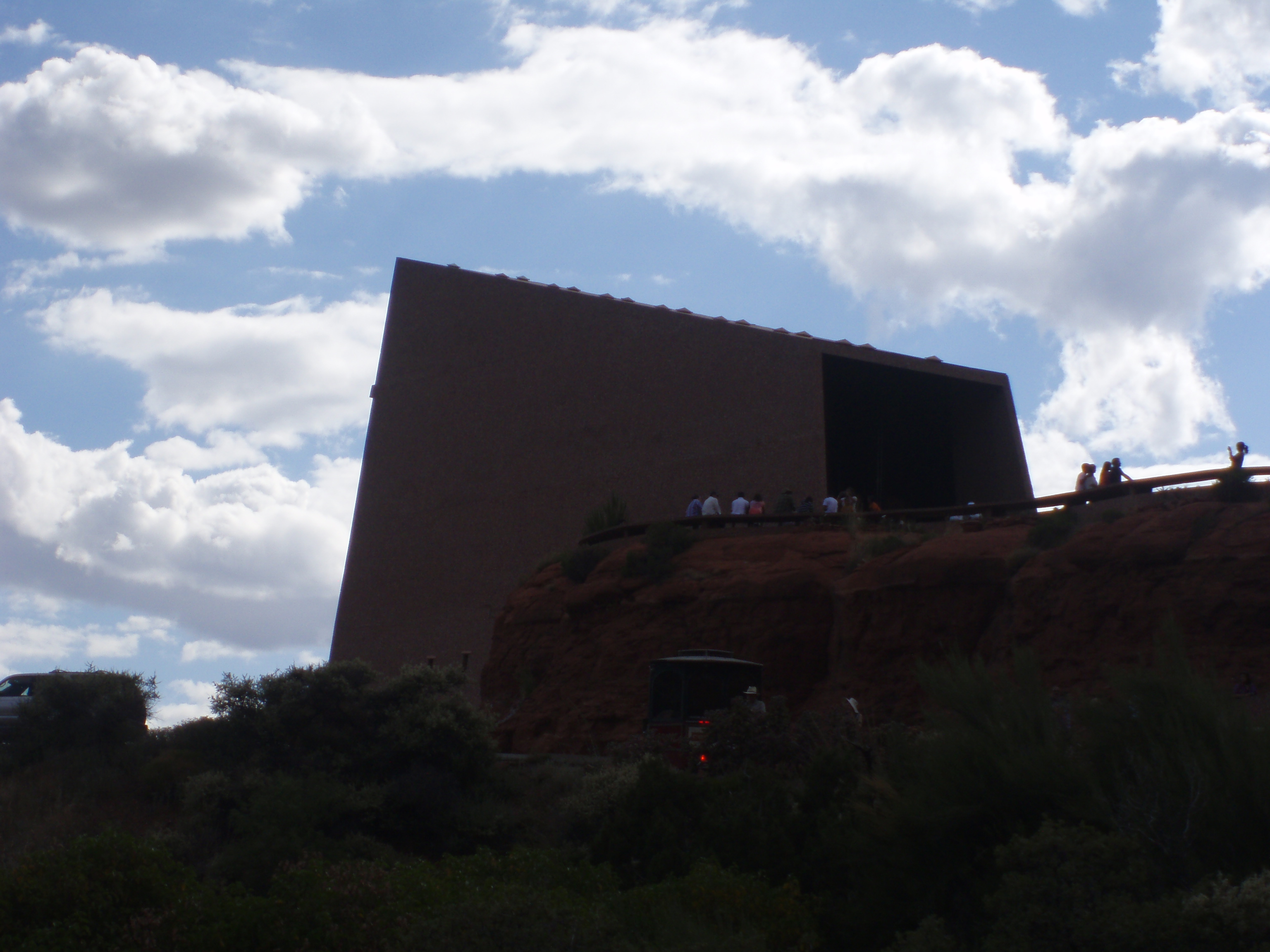
Yesterday, I came across these great shots of The Burren at Vintage Pages. I was reminded of Buzz Aldrin’s description of the “magnificent desolation” he witnessed on the Moon, and of Joan Didion’s essay “At the Dam.” I was also reminded of my own experience in Sedona, Arizona last summer, and I thought I’d share this piece about sacred space, published previously on Huffington. I wrote this months before I’d read Didion’s  fantastic work, but well after I’d heard Aldrin talk about his own.#

What Is Sacred Space?

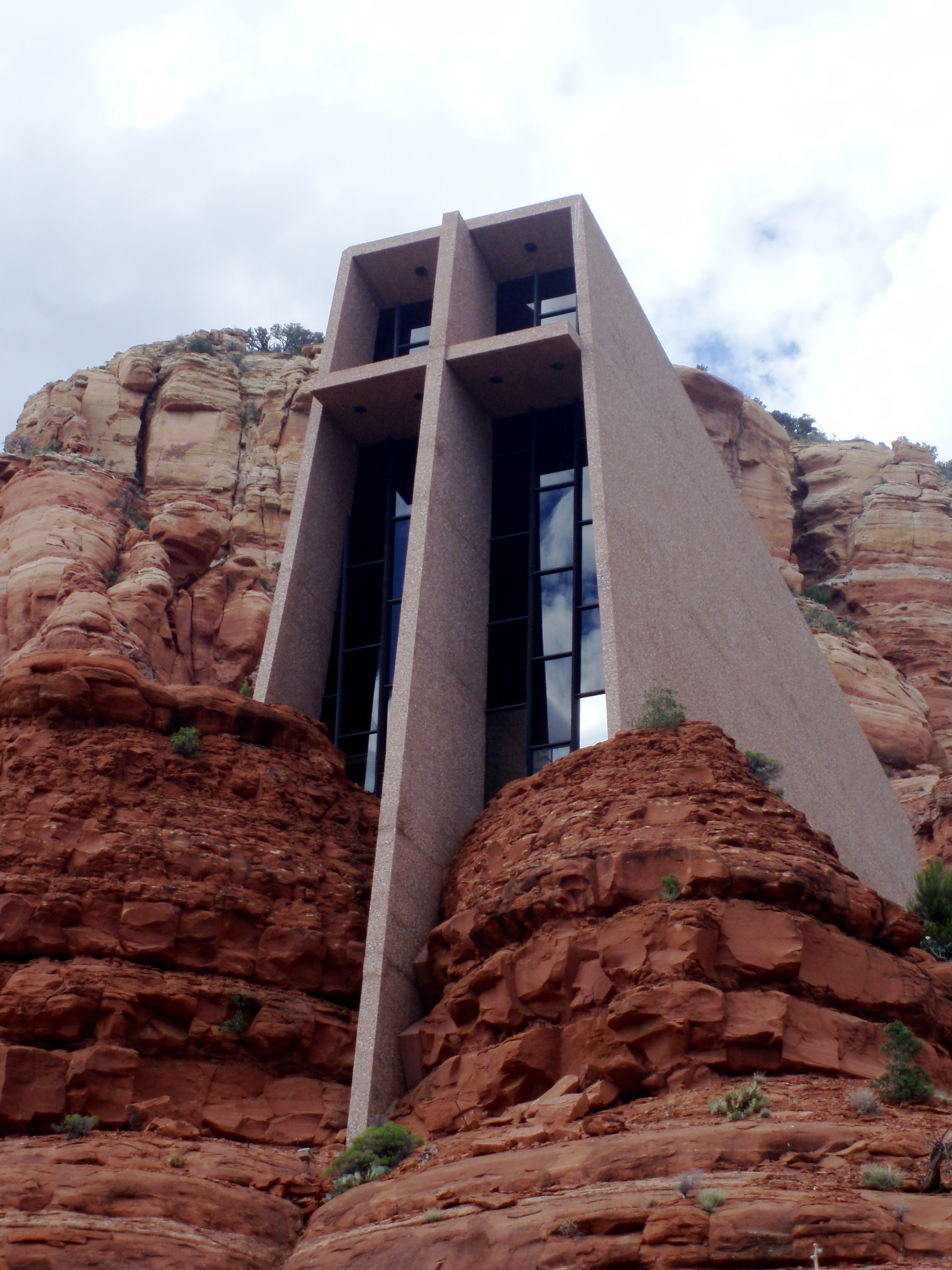
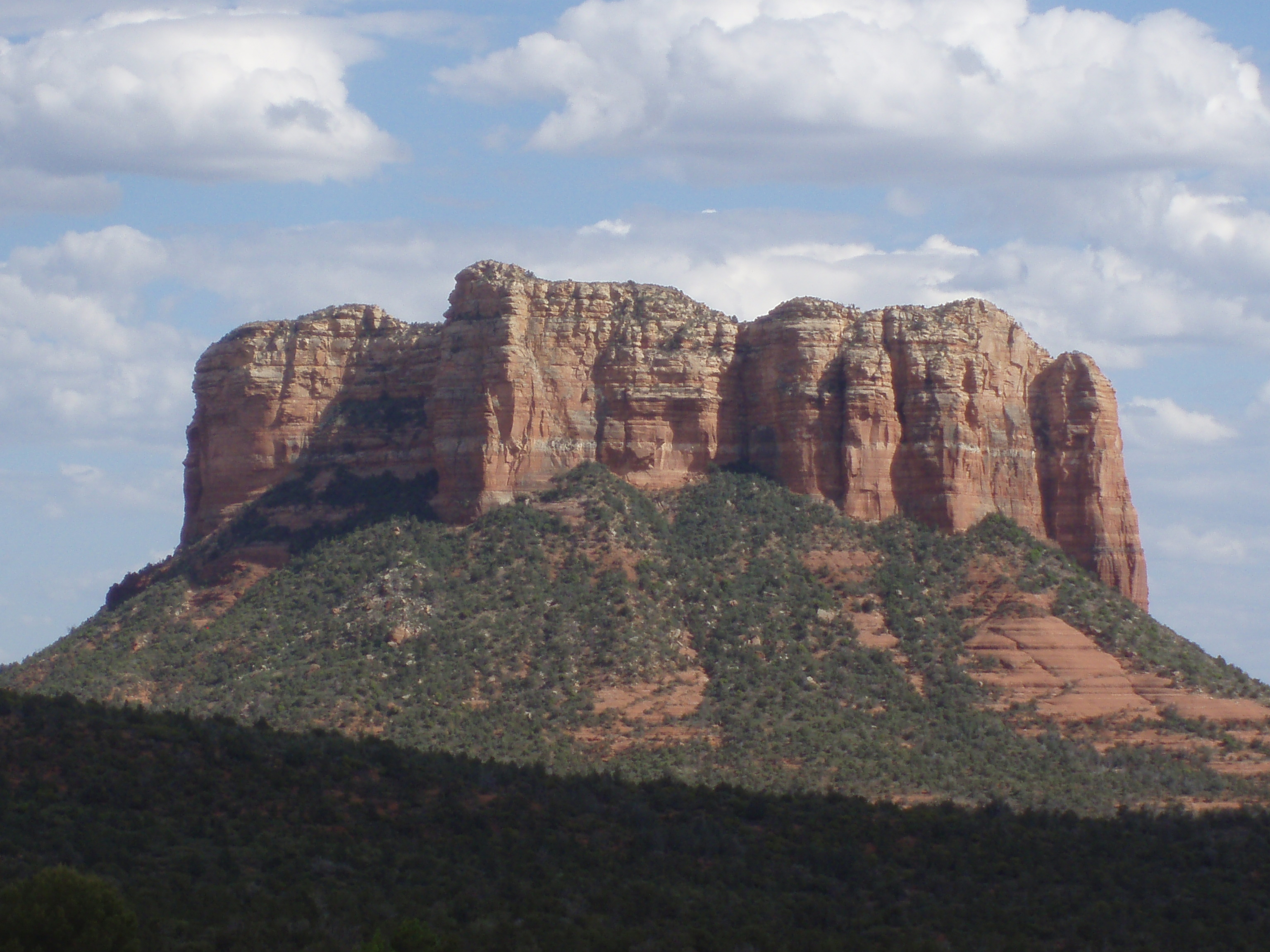
The Chapel of the Holy Cross rises from a 250-foot abutment in Sedona’s ferric sandstone, a sort of redundant decoration in this part of Arizona where I-17 and the Red Rock Scenic Byway seem to follow God’s own early steps across the Earth. Out here in the desert, among the great open tables of a vast, imposing communion, the idea of sacral man-made space registers in the viscerally absurd, feels essentially and obviously offensive. From the road, the innate need our species has to seek the holy seems corrupted by the building’s hubris, its imperial theology, by the categories and catechisms that value the work of fervent hands above the sublime, enduring witness of 300-million years. As my friend Jeremy and I park our rental car below the chapel’s massive cross, so meager in this scheme of things, we confess our doubts.

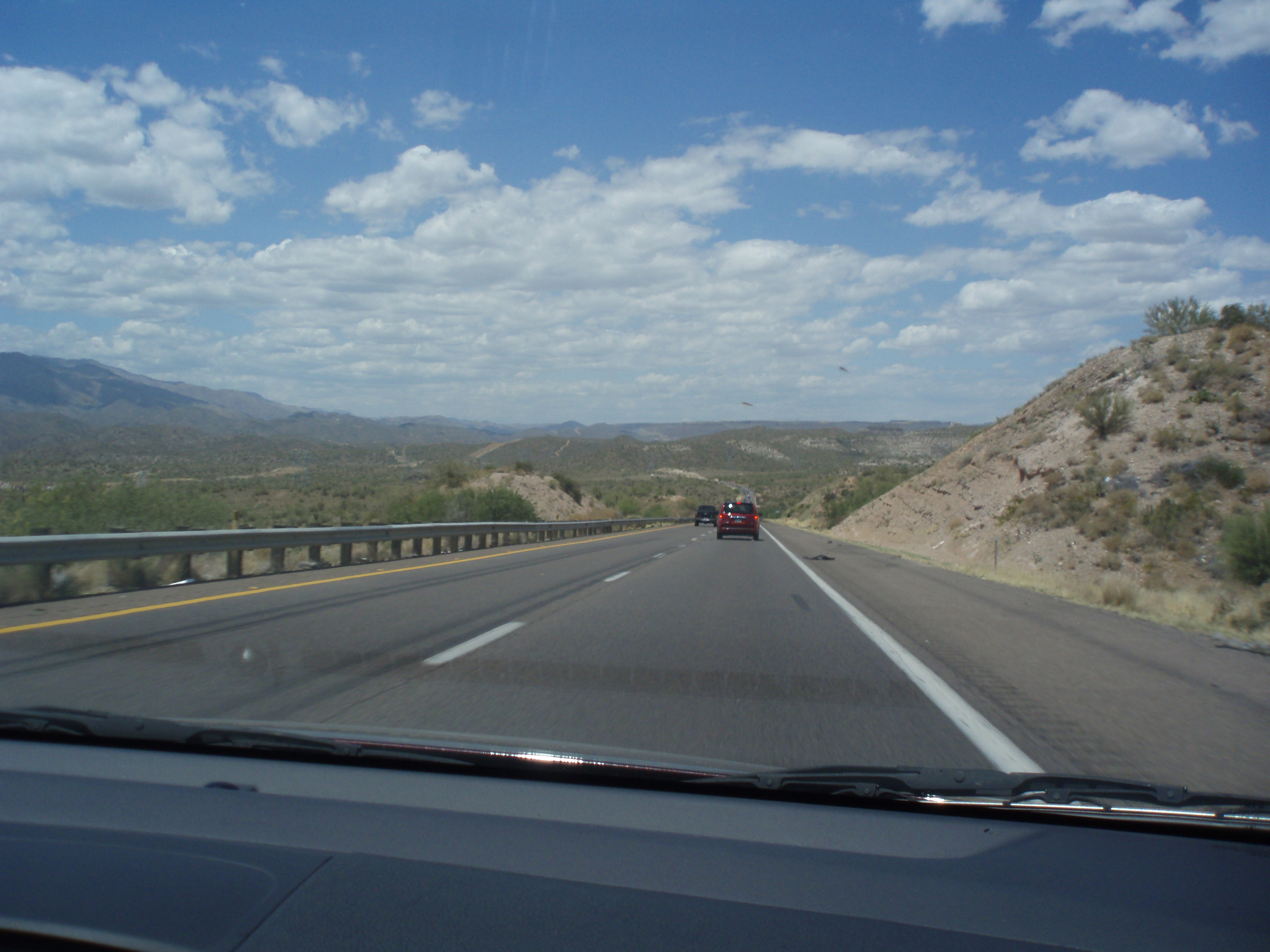
We’d set out on a slow course from Phoenix after breakfast. As I-17 wended north and east through desert, brush, and forest, we considered the physical reality of everything we saw in relation to the mountains we know so well back home in Pennsylvania, the trees that cover them, the interloping cities and still-interloping suburbs that never suggest this expanse of material, the planet’s bones, an endless stretch of at-rest atoms testifying for the universe. At home there are no resources unturned; limestone and slate and iron-ore are subdued and spent, the mountains are worn-down by glaciers, time, and strip-mines. I know next to nothing about the natural or industrial history of Arizona, but from the highway I am happy to believe that the stones and dirt and desert floor lie just as they rose from dry seas and tectonics. From the highway, that so much matter rests within my sightline reassures me: reality is big, our theologies are small, we must go about sincerely rendered spiritual pursuits with a humility that mimics in its depth the vastness of creation. We have a truly cosmic space in which to seek and find the holy.

Our first views of the Chapel are from the distance after three hours of roadside spiritual formation. We decide before we ever see it that we’ll have missed nothing if we don’t. We snake through the Red Rock Scenic Byway towards the Chapel’s foot fomenting reservations. Out of the car, where the rocks can hear us, we say we don’t know why people do this and that then again we do. We ascend the looping road to the Chapel’s entrance, hoping to recover the better reasons humans build religious things: from the need to offer, from the need to commemorate the places they encounter God. Still, the red rocks, the desert mountains and Arizona forests, the dirt and stone and binding heat aren’t going anywhere; the massive dome we’re under can’t be soon forgotten. But we move toward the redundant space, moved perhaps by our investment in tradition, by a certain empathy for what William Faulkner’s Jason Compson Sr. calls “that aptitude and eagerness … for complete mystical acceptance of immolated sticks and stones.” In this temple of the open air, we move to see what, if anything, might move us in a church.

From the outside foyer-summit, the vistas are impressive, just as they are from any point for miles. Inside, the central cross doubles as the altar’s focal point through the Chapel’s glass facade. I am struck by the sanctuary’s stark simplicity: the space is small, the stone walls are unadorned save two crafted rugs each depicting a nondescript apostle. The Stations of the Cross are Roman numerals formed from crucifixion-style nails (they look like railroad spikes); the altar’s ornaments are modern lines and shapes, all unassuming. Though the chapel’s founder, Marguerite Bruswig Staude, meant for its contemporary 1950s design to contextualize the liturgy of building in “a monument to faith…a spiritual fortress so charged with God, that it spurs man’s spirit godward,” I am struck by how underwhelming it is in its setting.

From outside, the Chapel of the Holy Cross is vain decoration, but in the sanctuary I am confronted by the futility that the simple space suggests. The immolated sticks and stones remain as meaningless as ever, but they enshrine in Sedona a natural counterpoint to the majesty that dwarfs them. The Chapel is an iconography of resignation, yes, but not of a surrender to despair. The spare walls and rough metal of the church confirm the higher teaching of geology: in the bare face of cosmic bigness, we might celebrate the room our smallness gives to seek. We might be moved by the fleeting crudeness of our best gifts to consider how deep and wide the holy, how ancient our environs, how vast and long the trek of matter into meaning. How blessed we are in smallness, how godward might we move.