“Crazy! Crazy to fool one’s self again and again! Is that what art takes? Delusion on a massive yet personal scale? What was I thinking?”
Excellent. This is the struggle.
“Crazy! Crazy to fool one’s self again and again! Is that what art takes? Delusion on a massive yet personal scale? What was I thinking?”
Excellent. This is the struggle.
This piece by Amanda Mull is important. Two excerpts:
Now, in apparently quitting his psychiatric medication for the sake of his creativity, West is promoting one of mental health’s most persistent and dangerous myths: that suffering is necessary for great art.
Esmé Weijun Wang, a novelist who has written about living with schizoaffective disorder, has experienced that reality firsthand. “It may be true that mental illness has given me insights with which to work, creatively speaking, but it’s also made me too sick to use that creativity,” she says. “The voice in my head that says ‘Die, die, die’ is not a voice that encourages putting together a short story.”
Take your medicine. Work with a behaviorist. Get your shit done. You can do it.
Medicine does not blunt the tools. It frees you up to actually use them.
I found this poem by accident one spring a few years ago. You should read it. Here.

This links to the sections focusing on 500-1000 A.D, but I bet you can’t stop there.
This is an except from something I wrote a few years ago. Below it is a Spotify link to the song “Chicago.”
It’s possible to encounter O’Connnor’s stories (you never really just read them) without explicitly discerning her deep, abiding belief in literary art as Christian vocation or her mission to show, as she said, “the action of grace in territory held largely by the devil.” Clear about these motives in her essays and letters, she’s almost never so obvious in her fiction. Perhaps because she uses the evangelical cosmologies of her neighbors as Tolkienesque proxies for her own traditional Catholic systems it’s easy to infer a sort of distance between O’Connor’s art and faith where she in fact saw none. In the same way, it’s possible to listen to Stevens’ biggest hit, “Chicago,” without immediately sensing the plaintive Christian hymn at its core, but “Casimir Pulaski Day,” “Oh God Where Are You Now?,” “The Lord God Bird,” “To Be Alone With You,””God’ll Ne’er Let You Down”… well, these and others comprise a body of work that, like O’Connor’s, raises and answers questions about what makes art “Christian.” Like O’Connor, Stevens operates outside of expectation: his confessional work is among his best, but you’d never call him a Christian artist the way, say, Amy Grant is a Christian artist.


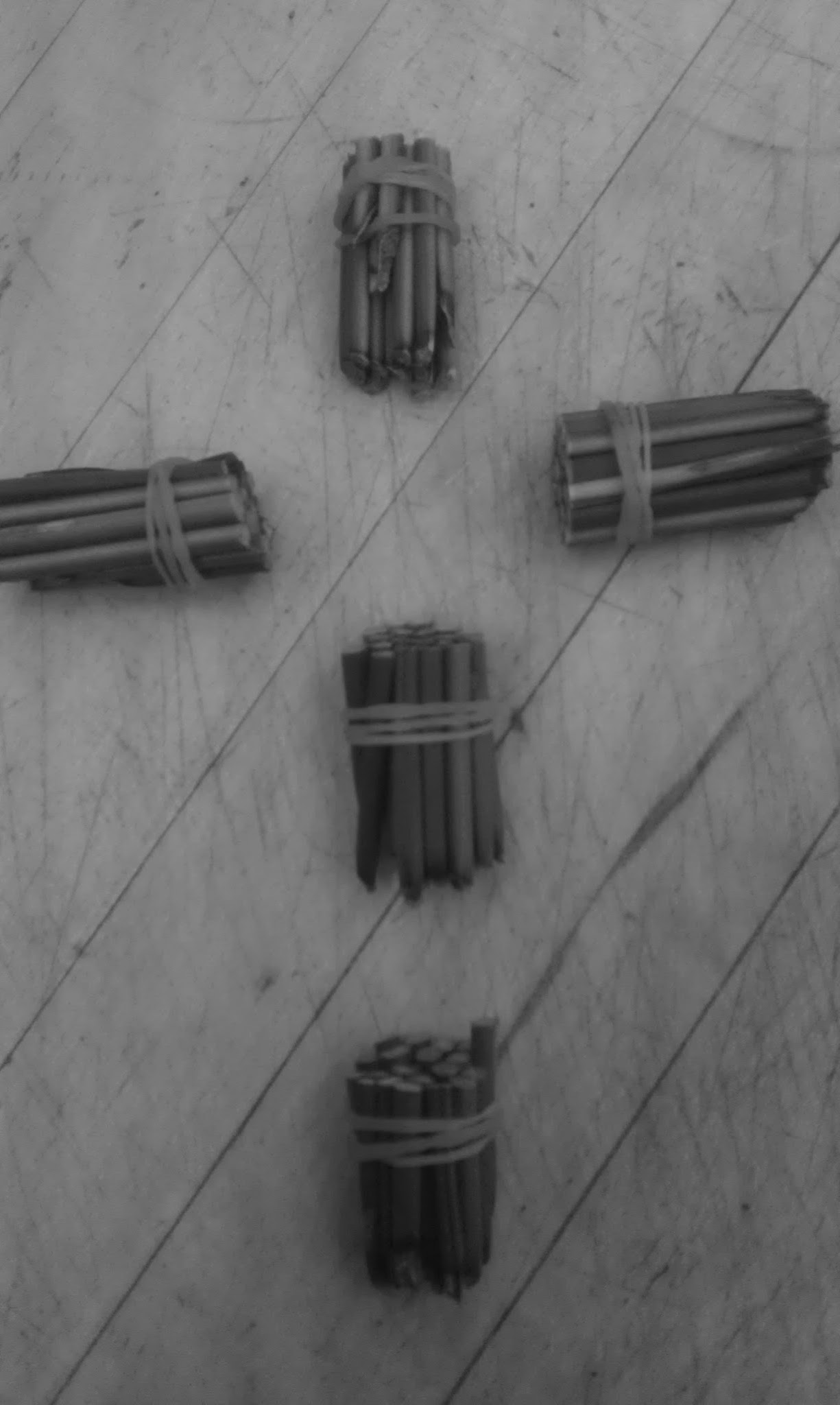


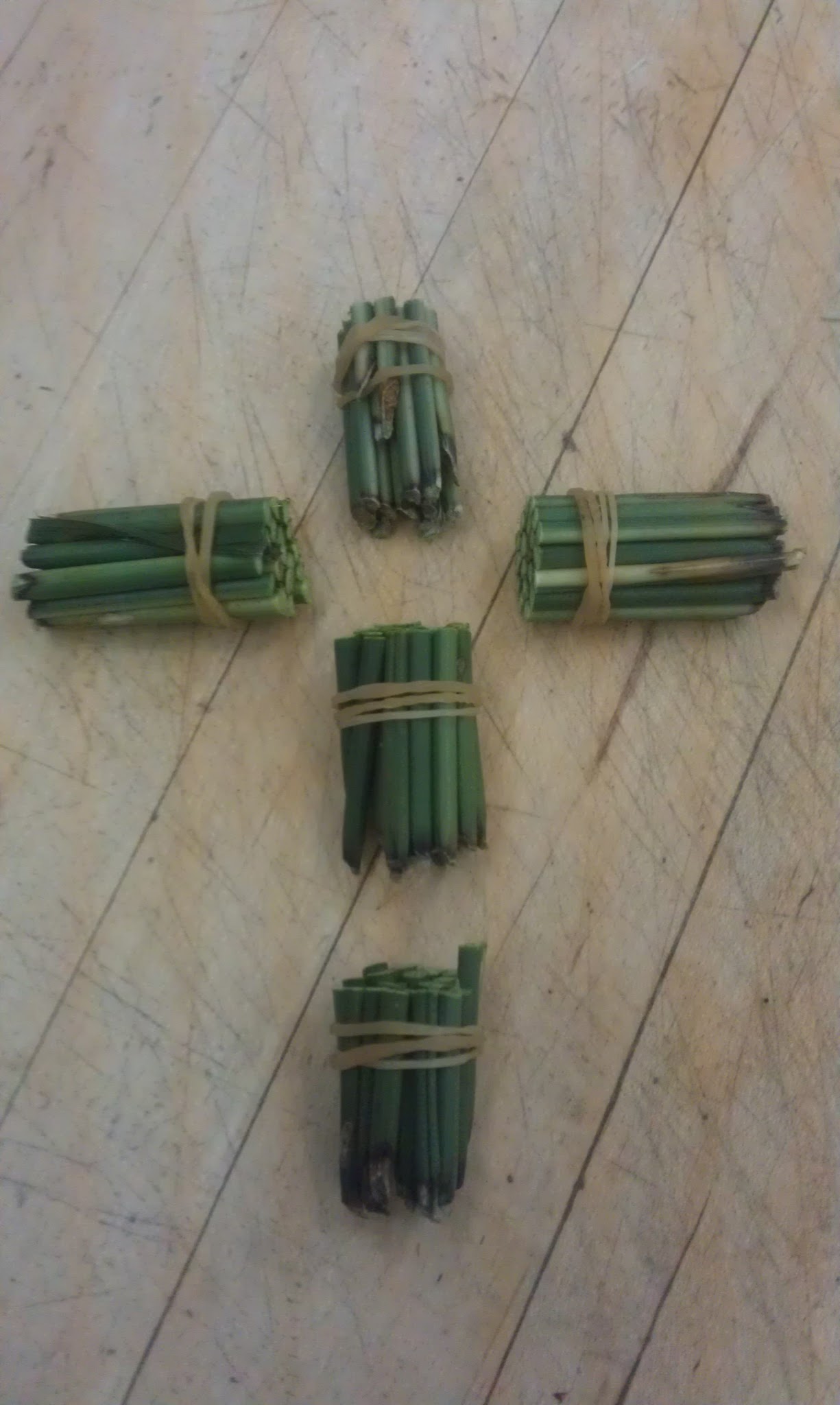
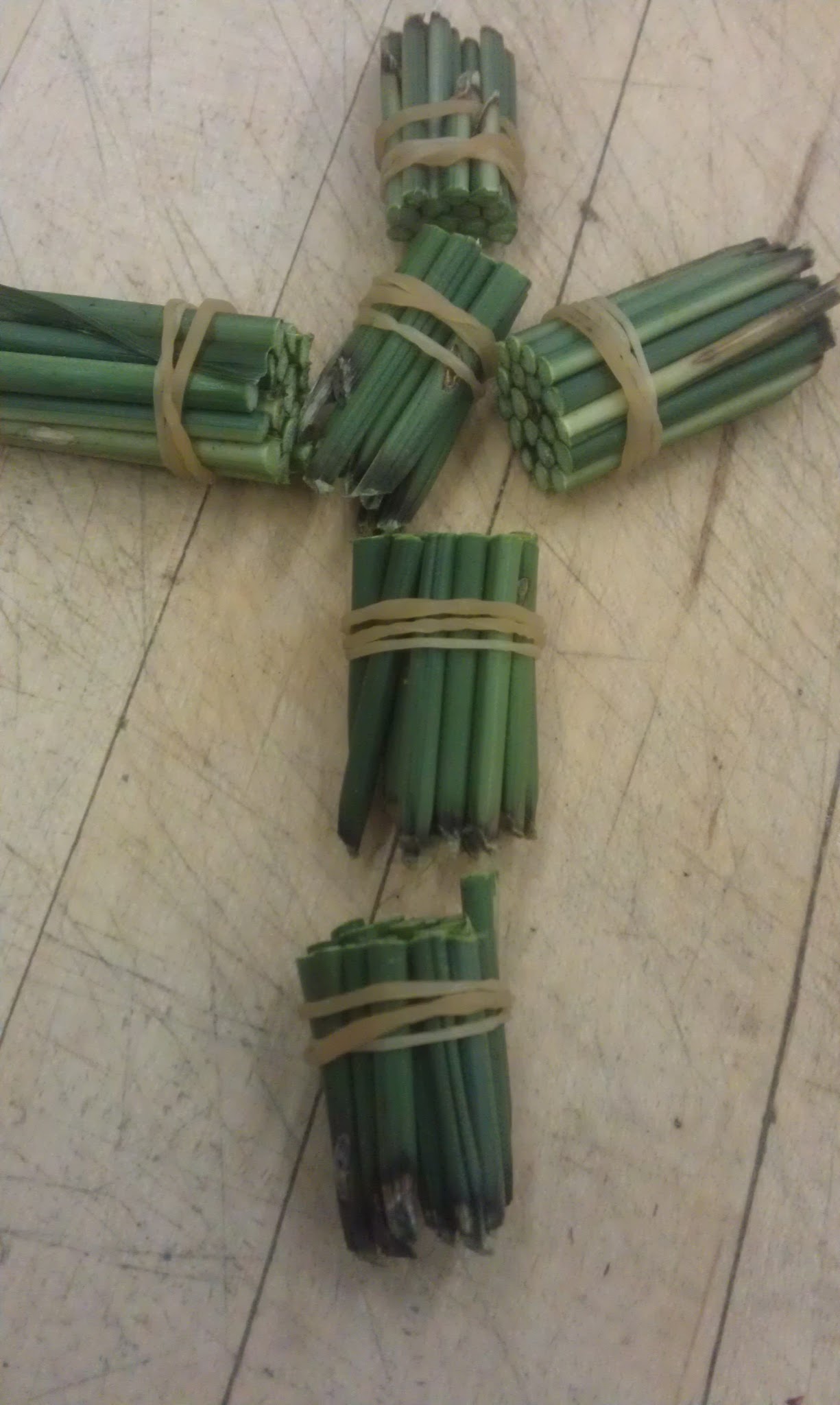

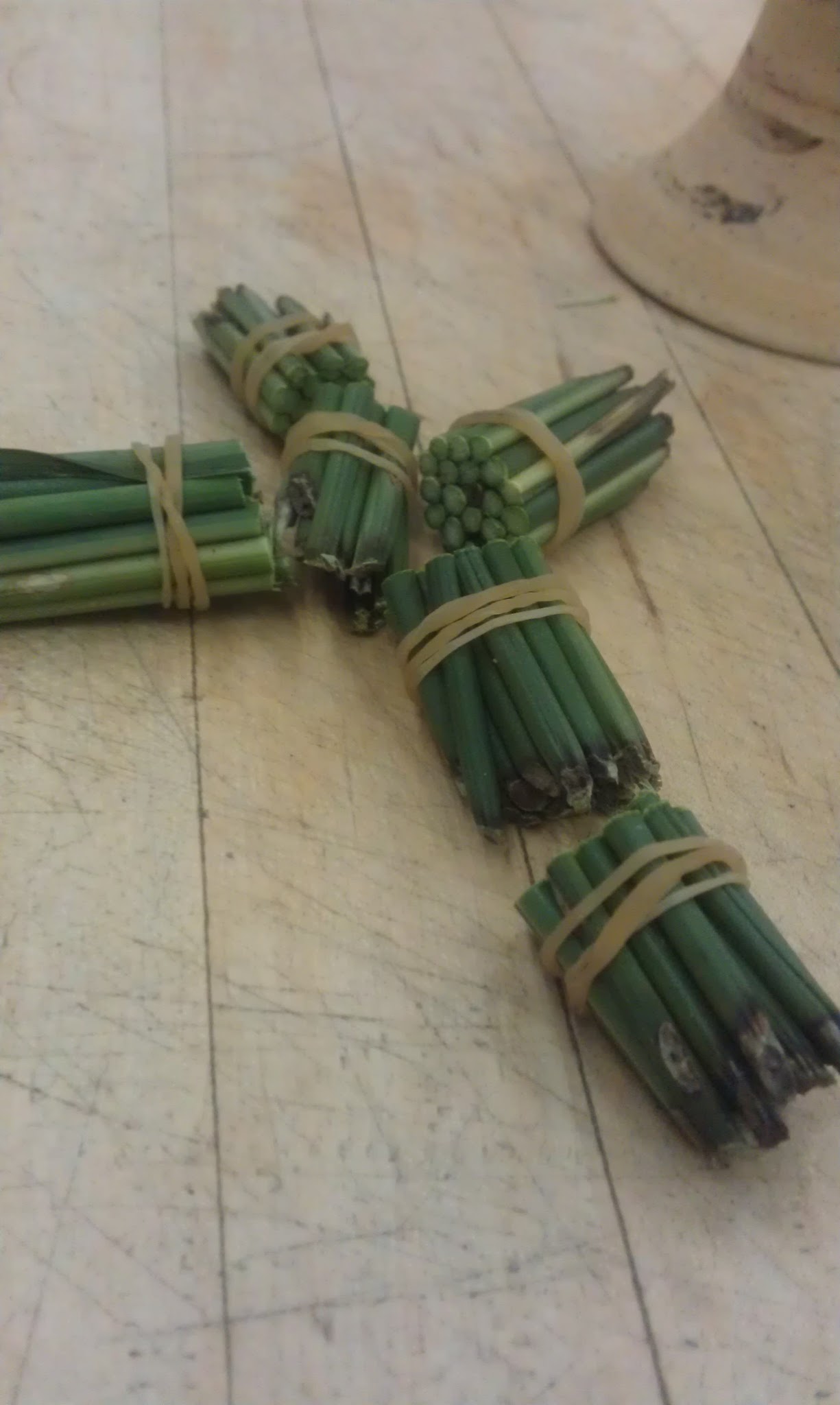


media: palm stems, rubber bands, cutting board, chalice. View album here.
 Chris Cocca