



The Rilke post from earlier got me thinking about the first poem I ever memorized.
Obviously, nursery rhymes were first, and then songs like Jesus Loves Me. Then, when I started school, My Country Tis of Thee, America the Beautiful, The Star-Spangled Banner, Simple Gifts.
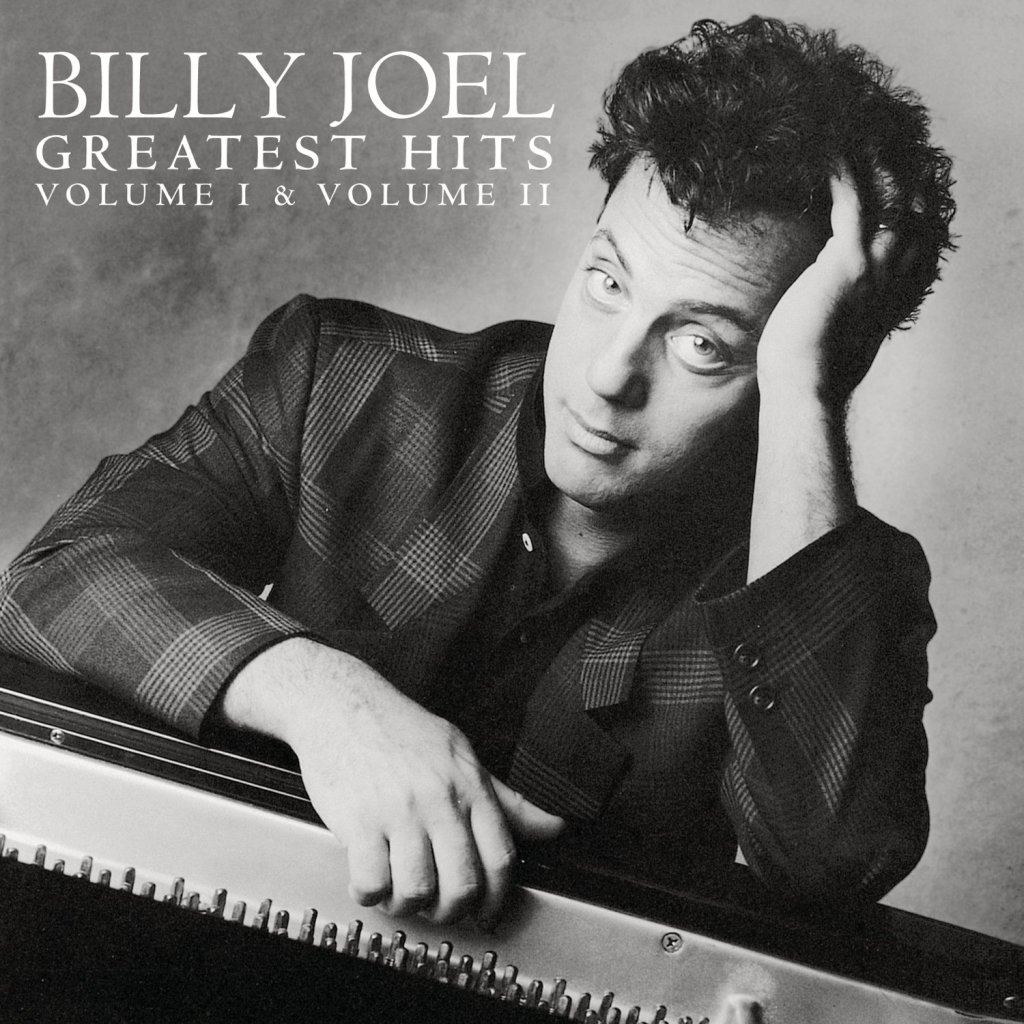
In fourth grade we had to memorize and recite poems, so of course we all asked if we could do Top 40. Someone beat me to We Didn’t Start the Fire (I memorized it anyway…we all did), so I did Another Day in Paradise by Phil Collins. The song really affected me. Years later, I’d find myself working street-level with the homeless populations of the Lehigh Valley. What had seemed like a very 80s problem has gotten so much worse.
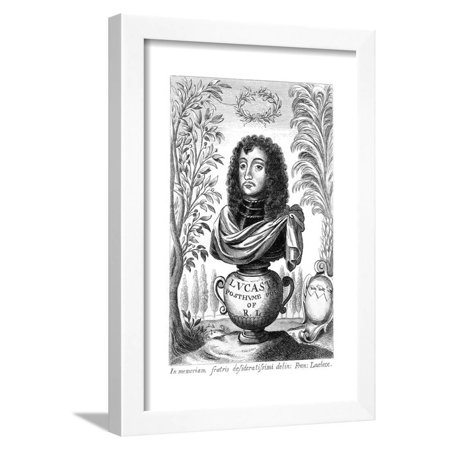
The first sort of classic poem I ever memorized was To Althea From Prison by Lovelace, the cavalier. It’s very famous, especially for this line:
Stone Walls do not a Prison make,
Nor Iron bars a Cage;
but the ones that really got me were
When (like committed linnets) I
With shriller throat shall sing
The sweetness, Mercy, Majesty,
And glories of my King;
When I shall voice aloud how good
He is, how Great should be,
Enlargèd Winds, that curl the Flood,
Know no such Liberty.
and especially:
When I lie tangled in her hair,
And fettered to her eye,
The Gods that wanton in the Air,
Know no such Liberty.
I was 15, so yeah. Killed me. Still does.
It strikes me now that “Slide Away” by Oasis, which I also discovered around that time, is a cavalier poem from the Council Estates. I love it so much.
But as a Mancunian whose teens were set to a soundtrack of Oasis, Liam could have come out and played Wonderwall on his iPhone and I’d still think he was the coolest man alive.
That’s a great line from Stefan Kyriazis.
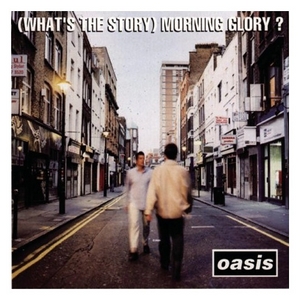
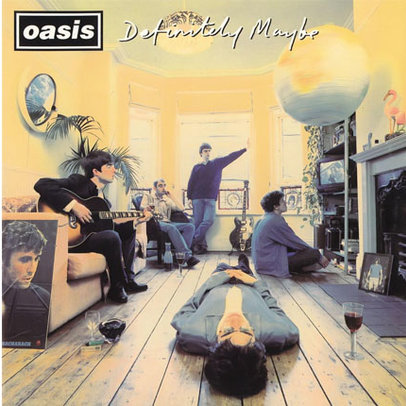
As a Pennsylvanian whose teens were set to the same three albums, I know what he means.
There’s no real American analogue to Oasis. By convention, I should have been listening to Nirvana for a few years already when Oasis got to American top 40. And, I mean, I was, because it was impossible not to. But I’ll just be honest. Nirvana always seemed too privileged.
Oasis was swaggering, life-affirming, sneeringly ironic but also really, truly earnest. Liam packed about a million miles into what he did with the simplest of things (namely, vowels). Show me another frontman who, standing still with his hands clasped behind his back, could electrify hundreds of thousands of people.

Happy Thanksgiving from the Cocca Internet Array.
Two kinds of medleys on my mind. The vegetable kind, for obvious reasons, and the musical kind. I was playing with a chord progression/strum pattern just now, and decided that “We Are Going to Be Friends” and “Rock Around the Clock” make an excellent medley (play them both in G).
“We Are Going to Be Friends” is also a prequel to “Thirteen” by Big Star as far as I’m concerned.
Enjoy having all of those songs in your head today. I know I will.
Noel Gallagher had a habit of writing great songs that most people (at least in the US) never really got a chance to hear.
This one’s called “I Will Believe.” It’s not on Definitely Maybe (I listened to that album about 100,000 times) but it’s on the recent deluxe release. I love how you can hear the exact moment it becomes an Oasis song (as 00:23 becomes 00:24). And Liam’s voice! Some of the stuff they cut leading up to Definitely Maybe but never properly released could chart right now.
Just added to the reading list.
“Trick Mirror is an enlightening, unforgettable trip through the river of self-delusion that surges just beneath the surface of our lives. This is a book about the incentives that shape us, and about how hard it is to see ourselves clearly through a culture that revolves around the self. In each essay, Tolentino writes about a cultural prism: the rise of the nightmare social internet; the advent of scamming as the definitive millennial ethos; the literary heroine’s journey from brave to blank to bitter; the punitive dream of optimization, which insists that everything, including our bodies, should become more efficient and beautiful until we die. Gleaming with Tolentino’s sense of humor and capacity to elucidate the impossibly complex in an instant, and marked by her desire to treat the reader with profound honesty, Trick Mirror is an instant classic of the worst decade yet.”
I planted wildflowers in my yard.
I know that sounds stupid. Wildflowers are supposed to be wild.
I don’t check them everyday, even though I know that botany, or whatever it is I’m doing, is not like physics. Plants don’t mind being observed, they don’t hide their position or speed. But still, there’s uncertainty. It shouldn’t feel so much like luck; it is, after all, some kind of science.
I think we often forget how big a part uncertainty plays in the math of the universe.
Biochemistry, for example. We don’t really know how all of that works. I don’t feel any need to check the progress of my wildflowers every day. That’s markedly different from the fights I’ve had with myself over wether or not the door is really locked, or if the handles on the faucets are actually clean.
I want them to grow, understand. I do what I’m supposed to do. But I don’t obsess about it. I’m not sure why. Maybe I know that sometimes, even when I’ve been as perfect as I can be, things can still go sideways. Maybe I’m willing to late nature — botany, physics, whatever — share some of the risk. Maybe I’m still mystified enough by the whole process of life to believe that I’m not the Prime Mover when it comes to the fate of these tiny lives.
There’s a lot to unpack there. In the meantime, enjoy this. There’s a lot to enjoy.
 Chris Cocca