
Rejected Michael Bay Transformers 3 Idea #47 (IMAGE)
If you’re not regular Huffington Post reader, you might not notice the changes in the masthead design evident below. The AOL-HuffPost merger became official official this week (they’re, like, totally listed as “married” on Facebook), and the changes are rolling out.

A few days ago, Andrew Breitbart ran a piece on Huffington about the the liberal bias of NPR and the MSM (that’s mainstream media, in case your blogging IQ remains fixed in the pre-Swift Boat-era) with regards to the Tea Party. I’ve said all along that HuffPo has been positioning itself as a “beyond left and right” general interest portal/magazine for some time now, and that the AOL purchase wouldn’t mean the watering down of some hard-left new media beacon. But even I didn’t expect to see a piece like Brietbart’s just yet. Eventually, yes. Just not yet. But the more I think about it, the more sense it seems to make to make these changes sooner rather than later.
Speaking of changes, the first thing regular Huff readers will notice is the change in font, style, and organization of the section (vertical) links in the banners of the home page and each vertical. The entire presentation is streamlined, and some verticals have been bumped off the main masthead’s real-estate and issued a spot on drop-down menus. (Religion, for example, is now a drop-down under “Living.”) You’ll also note that some of the drop-down items link directly to other AOL properties. While I understand the need for integration, this aspect does feel rather patchworked (no pun intended). As a placeholder for some sort of unified branding across platforms and sites, I suppose it’s fine. It achieves goal #1 for AOL in this stage of the merger: show Huffington readers links to AOL’s other content sources. But loading TechCrunch via a drop-down link from the HuffPost Tech box is clunky, and the style disparities between sites could be jarring for people expecting to stay on huffingtonpost.com.

I’m sure, in time, AOL and the newly-formed Huffington Post Media Group therein will iron these things out. But for right now, this first phase of integration feels less like an upgrade of the “The Internet Newspaper” and more like its portalization. I don’t mean to be down on you, AOL-Huff (that is, I sure do want you to hire me for full-time winning analysis), and I want you to know that I’ve been pulling for you, AOL, ever since the mid-90s when all my techie friends were total ISP snobs. Where are their precious BBSes now, old friend? Exactly.
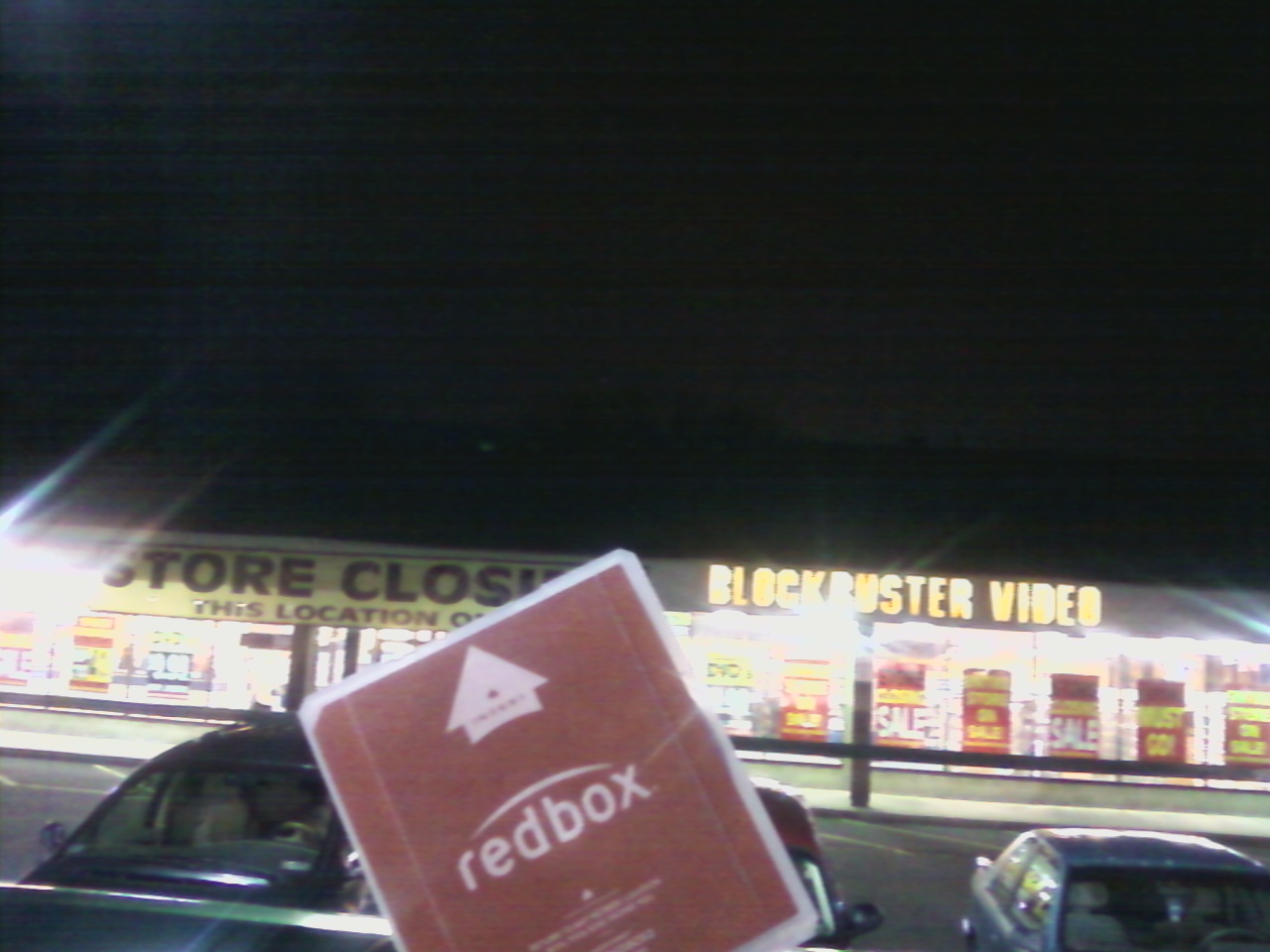
Blockbuster went up for sale today. For a while now, I’ve been seeing some funny hacked-by-bankruptcy Blockbuster signs as embattled locations have had neither reason nor resource to change old lights or fix broken letters.
My favorite of these is one that simply says BLOC. It’s not that the rest of the letters are burned out. It’s just that there are no other letter letters left on that half of the storefront. I’ve been making the joke for a while that this must make Netflix like NATO.
Because I have other things to do, and because it was a lot of fun, I decided to sum up this thesis in a nifty infographic. This is my first attempt at an infographic, and I only used public domain/fair use images and iWeb. It’s sort of a hack all the way around. I put it together earlier today before I knew Blockbuster was officially for sale, so the timing seems right to share. And please, share and share alike if you dig it.

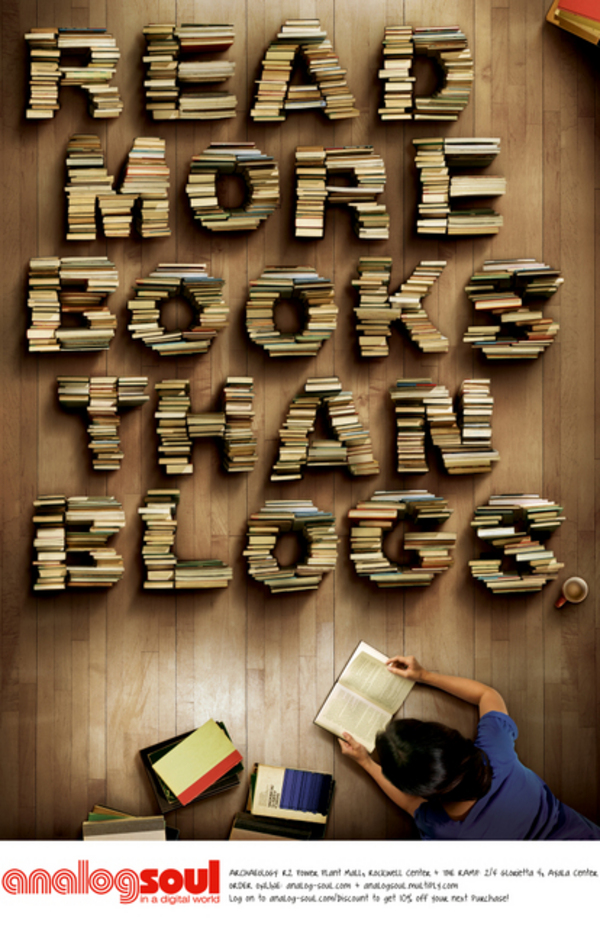
I don’t know what anaologsoul is, but I like the sound of it. Image source here. Found via StumbleUpon.
A few months into any Golden Age comic book archive, you’ll come across the origin story of the title’s featured character. Blogging, really, should be no different. Comics emerged from the frenetic, sensationalist media of the early 1900s, and blogs emerged from the frenetic, media-saturated lives of people living on the other side of a century that saw the best and worst communications innovations in human history.
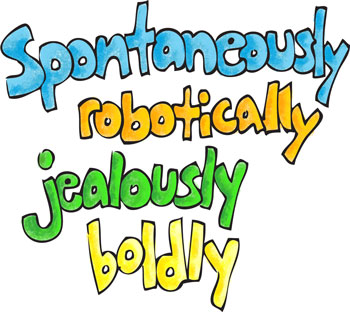
Chriscocca.com started as christophercocca.wordpress.com in January of 2007. I used the Hemingway theme, and the goal was very simple: I wanted a place to share my publishing news. I was submitting to online and print journals for the first time and had some very early success at those venues (Geez, Brevity, and elimae being the most notable). Eventually I started blogging about craft, which really means I blogged about instinct. One thing I knew for certain was that there were still way too many people using way too many adverbs. To wit, a post from November, 2007, currently in the classified archives:
I hate adverbs. I loved them as a clever little kid, but that was before (insert your own defining literary experience here). Except joyfully, and only when used in reference to the way Uncle Feather flew around Fudge’s house and pissed off Fudge’s family.
That Pessimist hates stupid phrases and words. Some phrases to avoid, courtesy of That Pessimist.
And scene.

I should say about word here about Uncle Feather. When I was 10 or so, my dad helped me write a book report about Superfudge, and we had a good laugh describing UF’s manic flight around the Hatcher kitchen with the world joyfully. First of all, joyfully is a pretty funny word, not because joy is funny, but because it’s kind of one of those words you save for big, important experiences. The thought that a myna bird would do anything joyfully cracked me up. Also, visualizing a myna bird joyfully flying around a room while exasperated keepers try in vain to bring him down, well, I don’t care how old you are, that’s a) hilarious and b) extremely gratifying.
I was writing a lot of terse, evocative microfiction in 2007, and my blogging style from those days reflects that. Eventually, I developed a fuller style, but it was still a very at-arm’s length approach. I don’t think I blogged for fun, even when I was blogging a lot about things that were important to me. But I suppose I thought writing wasn’t supposed to be much fun, either. I mean, this is serious business, after all, and I didn’t want people thinking I was some lamebrain goofball blogging about episodes of LOST and He-Man. My, how things have changed.
My love/hate relationship with blogging in this space went on and on and on. Last year I took a big long break to focus solely on my fiction, and I think was a good move for a few reasons: 1) It gave me time for fiction and 2) it separated me from the constant head-checking I was doing before every click of the WordPress publish button. I needed to get out of my head and into my gut, and I needed to say what I needed to say in ways that weren’t so tied up in my own personal narrative. There were great discussions happening on the blog by then, but all of the sudden I knew that if I was going to dedicate the kind of time and mental energy that a book would require, I was no longer going to be blogging about the ontological grounding of being (okay, okay, it’s God) for a while.
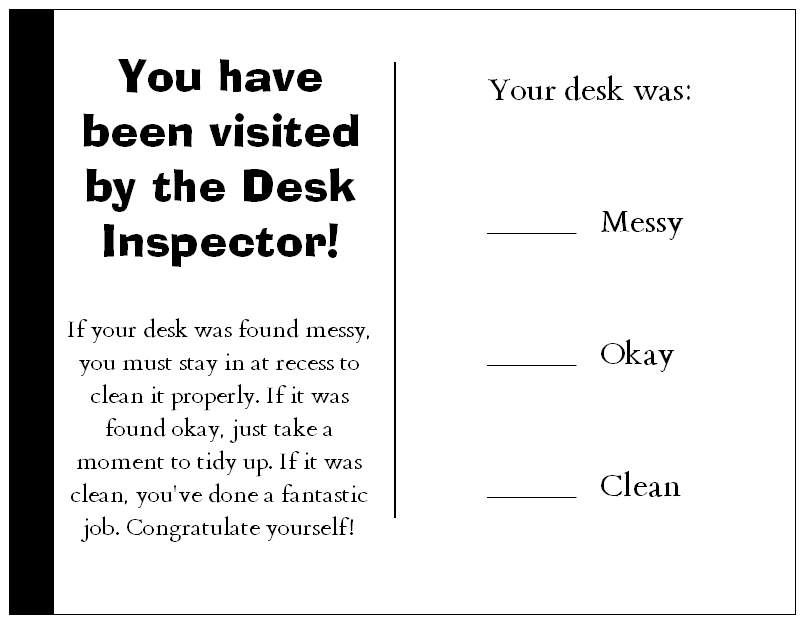
This year, I lightened up. I don’t know exactly why or how, but I have a few guesses. One thing I know for sure is that I started blogging more as soon as I finally designed a banner I really, really liked. When I started playing with the images and thinking of what to call this new welling up of whimsy, The Daily Cocca popped up from the suppressed creative places I’d been trying to cram other projects into. Simple as it sounds, a new banner and new layout energized me to have fun with content, to get out on the WordPress ecosystem and to make connections. Specifically, the picture of me as kid really makes me happy. Look at that smile. That kid is happy, fun-loving, and full of a million crazy ideas. That’s the kid who had the messiest effing desk you’ve ever seen, sloppy handwriting, poor time-management and every other awesome thing no one should really have to worry about as long as they’re young enough to wear a clip-on tie. Seriously, what was the deal with the clean desk obsession? If my desk could close, it’s none of your business. If it can’t close, give me a minute. No, no, I left that book at home. You should be happy…it’s not cluttering up my desk.

Side note: One time in elementary school the teacher was going on and on about something, and I started drawing awesome totem-pole-like doodles up and down the margins of my notebook. This was in a pretty early grade. We passed the books in and I didn’t think anything of it. A few days later, the teacher called me in from recess to talk to me about my doodles. I thought she was going to say how cool they were. Instead, she made me stay inside and erase every single one. I didn’t realize then what I stifling act of idiocy this was. I knew she was being stupid, but I didn’t relate it to this whole idea of feeling like you have to parse your creative side and intellectual side until recently. So let the 31 year-old speak now for the 8-year old who only wanted to draw comic books or play baseball for a living: hey, any grown-up who cares more about order than innovation, more about clean lines and desks than creativity, compassion, nurturing, sustainability and raising up kids into whole people: not cool.
Yeah, so the messy desk thing is sort of mantra for me in this sense: it means be who you are in each of the ways that matter. Write your fiction and your poetry as starkly (adverb!) or as richly (stop it!) as you want, and do your blog whichever way feels right. People are complicated, people have different interests, different modes, different ways of communicating in different circumstances and for different reasons. Why should you or I be any different?
Yesterday, I linked to a post on BookMunch about Stuart Murdoch’s new book of blogs. Will Fitzpatrick says that while Murdoch’s art is “existentialism through fiction, allowing his characters to project his worries and fears that maybe this life isn’t all we want it to be…. his blogs, on the other hand, are much more confident. Murdoch still tells stories, of course, varying from taking pictures for Belle & Sebastian album sleeves to his opinions on the Olympics. But this time, he’s the focal point. And he turns out to be much funnier and more confident than you might have imagined. That’s not to say that he’s arrogant; he’s still self-deprecating at times, but it comes from a man much more comfortable with his own sense of self than his lyrics would suggest.” Despite being a big fan of Stuart’s music, I’ve never read his blog. But it sounds perfect, doesn’t it? Since about the beginning of the year I have had this new, strange confidence in my voice as a blogger, separate and distinguishable from my voice as a writer of fiction or literary nonfiction. The realization that we’re allowed to speak in many voices compels us, I think, to start.
I’ve never had this much fun blogging, and I’ve never been this productive at it. I owe much of this to my teachers and peers in my MFA program, to the kid in the picture, to my messy desk, and to everyone who reads The Daily Cocca, everyone who comments, Jay and future guest posters/contributors, and all of you folks on WordPress I continue to connect with. Thank you!
Lego Charles Dickens via Dunechaser on Flickr.

 Chris Cocca